
Reflection: Psalm 121

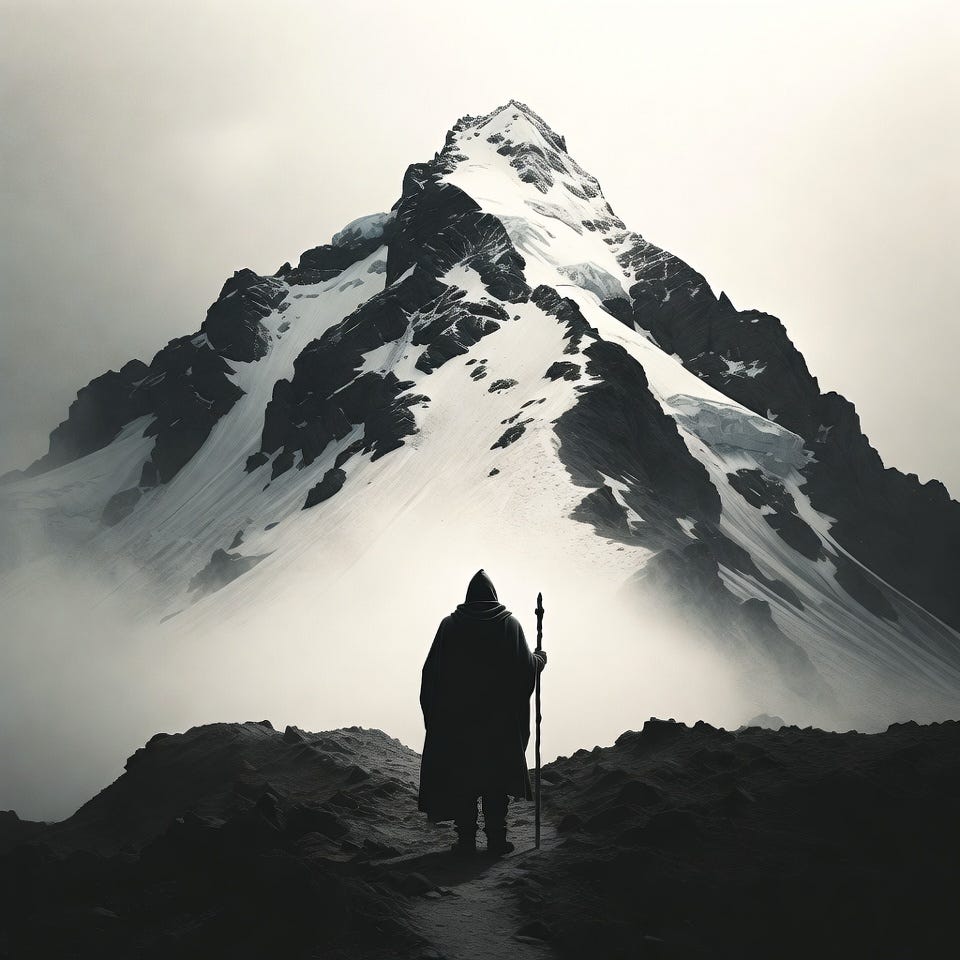
Growing up, one of my favourite Christian worship songs was Brian Doerksen’s “I Lift My Eyes Up.” We sang it often in church and youth group. Its rising melody lifting our voices, declaring our trust in God.
When I found it came from Psalm 121, it became one of my favourite psalms. Bridging the ancient words of Scripture and the heartfelt songs of my childhood faith.
Here is the text,
Psalm 121
A song of ascents.
I lift up my eyes to the hills. From where does my help come?
My help comes from the LORD, the Maker of heaven and earth.
He will not allow your foot to slip; your Protector will not slumber.
Behold, the Protector of Israel will neither slumber nor sleep.
The LORD is your keeper; the LORD is the shade on your right hand.
The sun will not strike you by day, nor the moon by night.
The LORD will guard you from all evil; He will preserve your soul.
The LORD will watch over your coming and going, both now and forevermore.
I am always keen to read the Psalms in their Late Bronze Age context. It reveals more of how the original audience would have understood the text. As Modern readers will bring their own interpretation, looking through centuries of secularism, they can misunderstand the sentiments.
If we look at some of these verses in poetic terms, rather than literal. We might assume the Sun strikes through scorching travellers, or robbers attack in the moonlight.
I prefer to take David at his word. So when he is asking for protection, it’s not simply from the Sun or Moon. But, the gods they represent.
Shamesh is not only the Hebrew name for the Sun, but also the Canaanite Sun god. Equally, the Moon in Hebrew is Yarikh, which is the name of the Moon god.
So when David is asking for God’s help, he is also calling on Him to protect him from spiritual attacks.
Also, looking up to the hills (verse 1) isn’t about gazing upwards towards a mountain peak, or a poetic way of saying the Heavens. It was believed the gods lived on holy mountains. Think about how the Ancient Greek gods lived on Mt Olympus. And, hence why God met with His prophets on mountains.
In the ancient Near Eastern mind, deities dwelt on high peaks. I believe this drove the building of ziggurats in Mesopotamia and possibly the pyramids in Egypt. Both artificial mountains designed to bridge Earth and the Heavens.
The list below shows God is not restricted to a single mountain like other ancient gods. But as the God Most High, He can be met on multiple peaks. Here is a list of mountains where God meets his people.
Mount Sinai (also called Mount Horeb)
Mount Moriah
Mount Ararat
Mount Carmel
Mount Zion (Jerusalem)
Mount Tabor (or possibly Mount Hermon)
Mount of Olives
Sermon on the Mount
In Psalm 121, the pilgrim lifts his eyes to the hills, and firmly rejects their resident powers. Instead, their help comes from the Maker of heaven and earth alone. By this, David refuses to seek help from the Canaanite gods
From my house, I just can see the rising South Downs. When life has pressed in hard and I’ve struggled under more burdens than I feel I can bear, I have found Psalm 121 come to mind.
I look out my hallway window, and look at those familiar chalk hills and say to myself, “I lift up my eyes to the hills, where does my help come from?”
Through this psalm, I feel anchored in God, even in my troubles.